
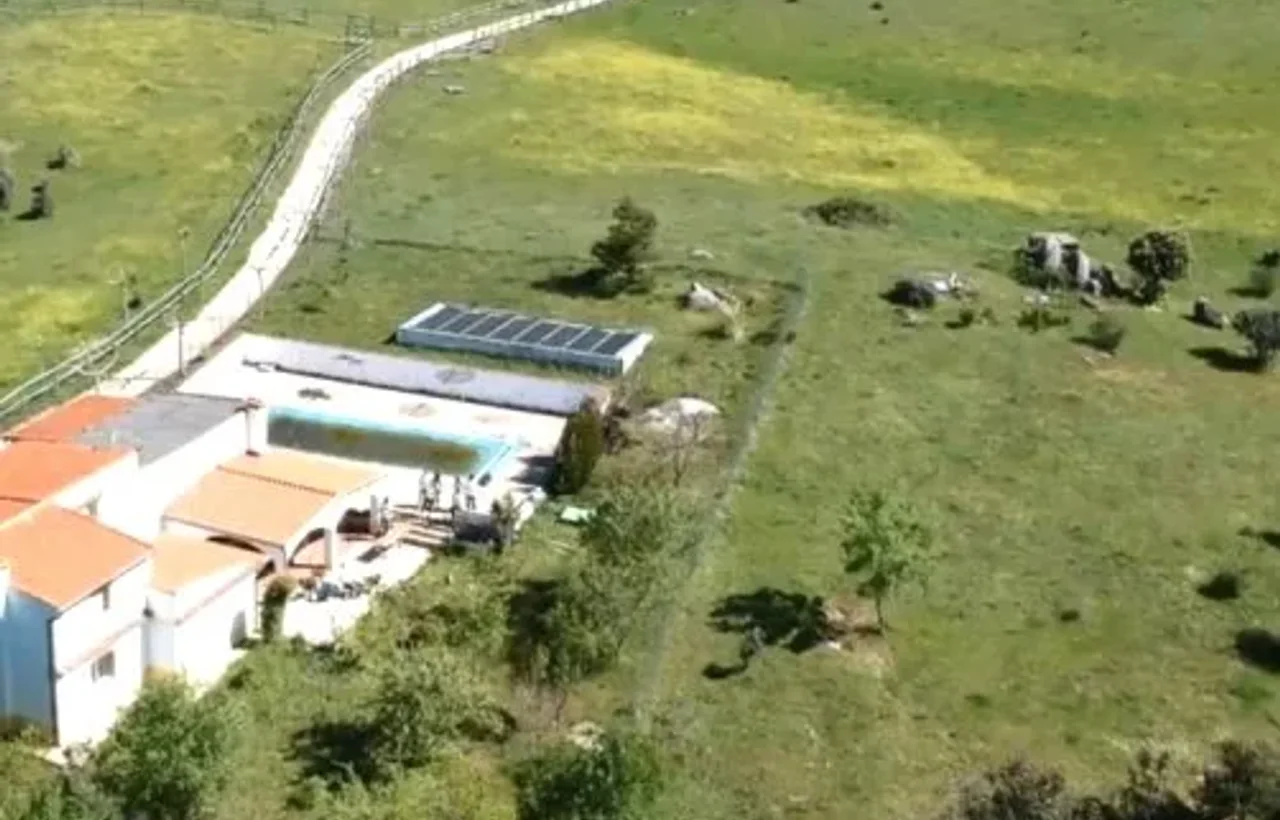
A starting bid well below market value sounds tempting to any buyer — especially to animal owners hunting for a large finca with pasture, where every euro saved can go into fencing, stables or water connections. Court-ordered auctions, known in Spain as subastas judiciales, are therefore treated by some buyers as an insider tip. But the process has pitfalls, and they can be felt particularly keenly with rural estates that include stables and grazing land. This article explains soberly how subastas judiciales work and where the real risks lie.
Judicial auctions (subastas judiciales) are court-ordered property sales used to settle debts, and since 2015 they have run online through the Subastas BOE portal. They can offer attractive starting bids, but they carry real risks: unknown condition, possible encumbrances, occupants, high legal complexity and competition from other bidders. Local specialist advice is indispensable.
What exactly is a subasta judicial?
A subasta judicial is a court-ordered forced sale of a property, usually because an owner could no longer service a debt — often a mortgage. The court orders the sale in order to settle the creditors' claim. Unlike an ordinary sale on the open market, the priority here is not the best possible price for the seller but the swift satisfaction of the creditors. That is why starting bids at judicial auctions are often below actual market value.
How the process actually works
Since October 2015, Spanish court auctions have been run centrally online through the Subastas BOE portal. A bidding process normally lasts 20 working days. To take part, interested parties must lodge a deposit of 5% of the assessed value of the property in advance, exclusively through approved financial institutions in the BOE portal. Bids can be made with or without a "reserva de postura" (reserved bid): with a reserve, the second-highest bidder automatically steps up if the highest bidder fails to pay; without one, that right lapses. The property is awarded to the highest bidder, who then has 20 working days to pay the full award price.
The opportunity: attractive starting bids
The obvious appeal of judicial auctions lies in the price. Because the procedure primarily serves to settle debts rather than to maximise the previous owner's profit, starting bids can be well below open-market value. For buyers with a limited budget who are looking for a larger finca with grazing land and are willing to invest themselves — refurbishing stables or establishing a new water supply — that can be a genuine opportunity, provided the risks have been assessed realistically beforehand.
The risks you need to know
Set against that potential are serious risks that do not arise in this form in a conventional property transaction:
Unknown condition. At judicial auctions, a thorough internal viewing is often impossible or only partly possible. Buyers frequently acquire the property largely "as seen", without the usual warranties and guarantees of a regular purchase contract.
Existing encumbrances. Mortgages, tax debts or other charges may in some circumstances remain attached to the property even after the award. A thorough land registry check before bidding is indispensable.
Occupiers or squatters. People may be present on the property, with or without a legal right to be there. Evicting them can prove demanding both legally and in terms of time.
Registration problems. Recording the award in the land registry (Registro de la Propiedad) can be delayed in practice and may require additional legal steps.
Competition and legal complexity. The bidding process is public, so professional investors bid too. At the same time, the legal framework is complex enough that taking part without expert support involves considerable risk.
Particular pitfalls with fincas that have stables
With rural estates that include stables and pasture, additional questions arise that would be irrelevant for a city flat: is there a REGA registration for keeping animals at all, and can it be transferred? Are the stables and outbuildings legally built, or do legalisation problems loom after the purchase? Are there secure water rights for the pasture, or is the water supply unresolved? In a regular purchase transaction, such questions can be clarified in advance. At a judicial auction, there is often less time for a thorough review, and not all relevant information is publicly available — one more reason not to rely on the attractive starting price alone.
How to limit the risks realistically
If you want to take advantage of a subasta judicial without underestimating the risks, review as much publicly available information as possible before you bid: the land registry extract, the municipality's building file, any accessible information on existing encumbrances and — for agricultural estates — the status of any REGA registration. With judicial auctions, independent legal support on the ground is not an option but effectively a precondition for avoiding unpleasant surprises once the property has been awarded.
Frequently asked questions
What exactly is a subasta judicial?
A subasta judicial is a court-ordered forced sale of a property in Spain, usually to settle outstanding debts of the previous owner, handled online through the Subastas BOE portal since 2015.
How large is the deposit needed to take part in a judicial auction?
As a rule, bidders must lodge 5% of the assessed value of the property in advance as a deposit via the BOE portal.
Are judicial auctions automatically cheaper than the regular market?
Starting bids can be below market value, but competitive bidding and possible additional costs for eviction, refurbishment or legalisation often erode that price advantage.
Can I view a finca before the auction?
A thorough viewing is often restricted or impossible at judicial auctions. Buyers should rely on publicly available documents such as land registry extracts and examine them carefully in advance.
Is a judicial auction suitable for someone buying their first finca with animals?
Given the legal complexity, the limited scope for viewings and the open questions around REGA status or the legality of the stables, this route is better suited to buyers with expert local support.
Caballoria-Immo helps you assess the opportunities of judicial auctions for fincas and country houses in Catalonia — with an eye on what matters to animal owners: permitted use, REGA status, water rights and access. Talk to us before you bid.
This article is for general orientation only and does not replace legal, tax or veterinary advice. Rules and responsibilities differ by Comunidad Autónoma and can change. As of August 2026.